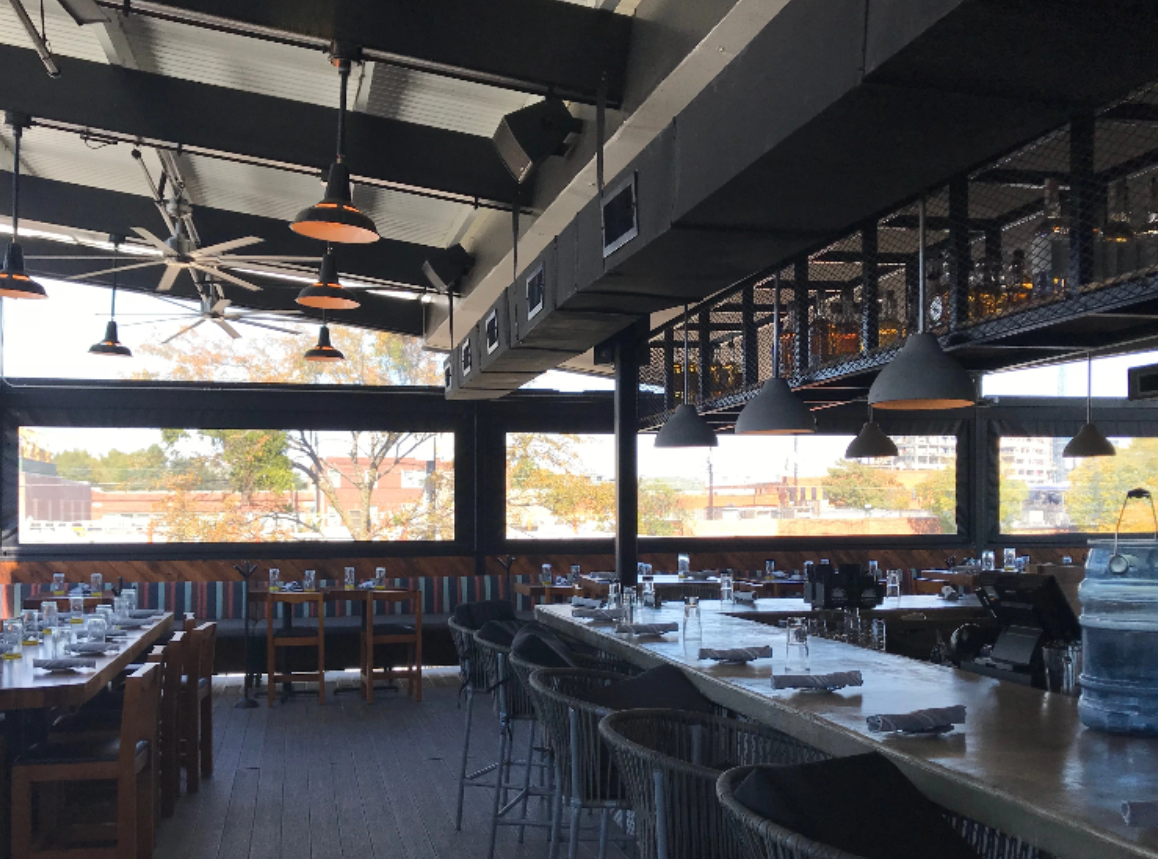
If you’ve ever hesitated to dine outside because of sudden weather changes, you’re not alone. Many restaurant owners share that frustration. That’s why more establishments in 2026 are investing in outdoor commercial patio enclosures that turn open-air seating into reliable, comfortable spaces regardless of conditions. These setups help restaurants expand their capacity, improve guest experience, and boost profits, all while blending nature and shelter in ways diners genuinely appreciate.
In 2026, restaurants are increasingly choosing outdoor patio enclosures to extend their usable dining space year-round while providing protection from rain, wind, and intense sun. These enclosures enhance comfort and operational capacity, though they require careful adherence to evolving building codes and fire safety standards.
The Outdoor Patio Enclosure Trend
Restaurants are embracing outdoor patio enclosures not just for weather protection but as essential components of inviting spaces that meet evolving customer expectations. The growing demand for open-air dining comes with a clear desire for spaciousness and flexibility, qualities that enclosed patios deliver when designed with retractable walls and transparent panels.
Establishments equipped with flexible enclosures can significantly increase outdoor seating capacity, accommodating more guests during peak hours and directly impacting revenue. This ability to expand seating without compromising comfort or safety serves as a powerful competitive advantage, particularly where urban restaurant footprints face strict space limitations.
The real strength of these enclosures lies in their adaptability. By offering the option to fully open or close sections depending on weather, operators provide a seamless indoor-outdoor transition throughout all seasons. This year-round usability turns an underutilized patio into a bustling hub of activity, maximizing every square foot of property.
Beyond logistics, restaurant owners recognize how well-designed outdoor spaces affect guest satisfaction and loyalty. When diners feel protected from wind yet surrounded by fresh air and natural light, they stay longer and return more often. Comfortable seating combined with layered lighting creates atmospheres that encourage conversation and relaxed enjoyment.
For restaurateurs considering this investment, partnering with Panhandle Outdoor Solutions ensures that enclosure systems integrate aesthetically within existing architecture while delivering practical benefits. The evolution of commercial patio enclosures reflects a broader hospitality shift from focusing exclusively on food quality to prioritizing overall guest comfort, crafting environments where guests feel nurtured by thoughtful design.
Benefits of Enclosed Patios for Restaurants
An enclosed patio extends dining space beyond traditional indoor walls without sacrificing the feeling of openness. Seating that was once unusable during shoulder seasons or inclement weather becomes a reliable environment year-round, translating directly into higher seat turnover and increased revenue. Restaurants with enclosed patios consistently report meaningful revenue gains during colder months when customer turnout has historically been lower.
These enclosures also act as climate-controlled bubbles, preserving comfort on sultry summer evenings across the Florida Panhandle where heat and humidity can drive diners indoors. Energy-efficient vinyl panels paired with ventilation options help reduce heating and cooling costs, making enclosures both guest-friendly and operationally savvy.
Think of these spaces as outdoor living rooms that encourage lingering conversations and relaxed dining. With proper lighting and heating elements such as gas fire pits or infrared heaters, patios invite customers to stay longer, order extra rounds, and explore the full menu. This elevated ambiance drives customer satisfaction, positive reviews, and repeat visits.
Enclosed patios also open doors for creative event programming. Holiday parties, wine tastings, and live music nights become possible in a flexible yet sheltered venue, helping restaurants diversify income streams while building community connections.
| Benefit | Impact on Restaurant | Customer Experience |
| Year-Round Usability | Extends revenue across all seasons | Comfortable dining any time |
| Weather Protection | Reduces cancellations and no-shows | Shelter from rain, sun, and wind |
| Energy Efficiency | Lowers HVAC costs | Pleasant temperature with less noise |
| Atmosphere and Ambiance | Increases average guest stay length | Inviting, intimate setting |
| Event Hosting Flexibility | Boosts special event bookings | Unique experiences |
Restaurants should note that regulatory ambiguity remains a hurdle. Many enclosure materials lack clear classification under building codes, and fire safety officials advise caution regarding propane heaters inside these spaces. Collaborating with local code authorities before installation ensures compliance and safe evacuation routes. Trusted partners like Panhandle Outdoor Solutions can help navigate regional climate needs and regulatory landscapes.
Enhancing the Dining Experience
Outdoor patio enclosures allow restaurants to craft atmospheres that feel simultaneously intimate and connected to nature. Fresh air and natural light enter the space while guests remain shielded from unpredictable weather and disruptive noise. Restaurants can customize these areas with plush seating, warm lighting, and greenery to evoke calm sophistication.
Enclosed patios meaningfully reduce ambient noise, helping conversations flow effortlessly and allowing diners to focus on their company and cuisine. Adjustable lighting controls let restaurants shift the mood from bright, energetic lunchtimes to softer, romantic evenings without redecorating. Thoughtful placement of retractable panels ensures comfort through changing conditions, a critical factor for Florida Panhandle restaurants where the sun can be fierce all day.
This curated ambiance encourages guests to linger and explore menu offerings more fully, often resulting in higher average checks per table. Restaurants that invest in quality enclosures commonly see improved table turnover efficiency during peak hours. Beyond aesthetics, patio enclosures also enhance safety perceptions among diners. Many guests feel more secure in semi-enclosed outdoor settings compared to confined indoor spaces, supporting repeat visits and positive word-of-mouth.
Professional guidance from the team at Panhandle Outdoor Solutions helps restaurateurs select materials, layouts, and features that optimize durability without sacrificing comfort or style.
Flexible and Expandable Designs
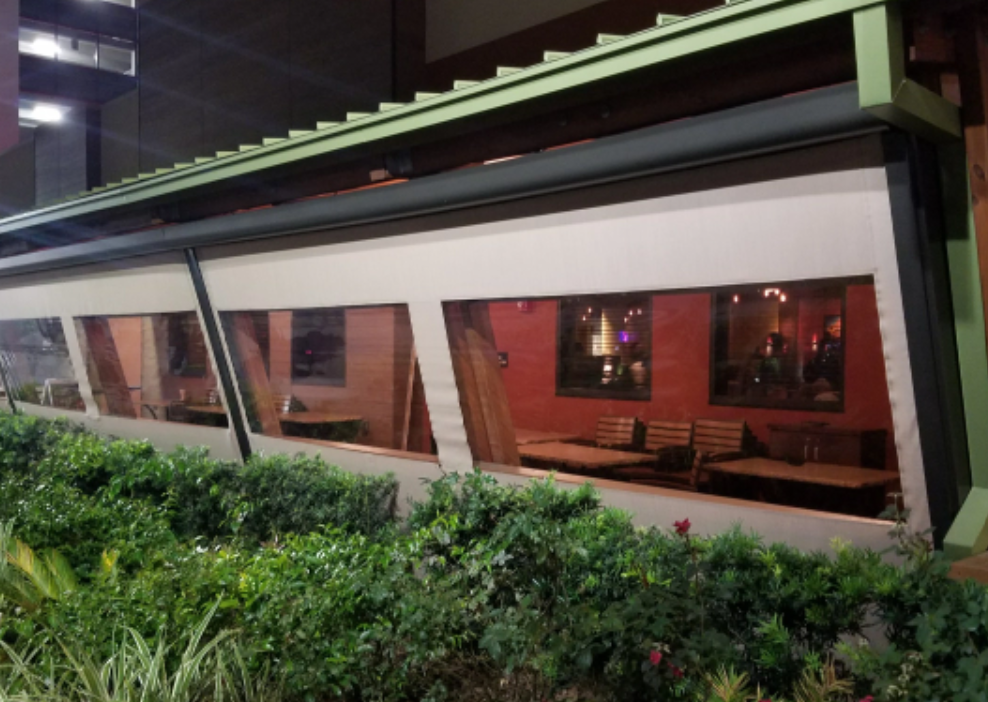
Restaurants increasingly rely on modular patio enclosures that use lightweight aluminum frames combined with polycarbonate or vinyl panels, allowing quick installation and easy rearrangement. Unlike traditional expansions that take months, these setups can be assembled or altered within 48 hours, a real advantage for establishments adapting to fluctuating customer flow.
When weekend crowds surge, additional panels slide into place, instantly increasing seating space. When demand dips midweek, sections close off to create a cozier atmosphere. This approach keeps maintenance costs lower while aligning physical space with real-time business needs. Diners appreciate the result: a patio that feels neither empty nor overcrowded.
Along the Florida Panhandle, heavy sun exposure and sudden rainstorms demand durable, corrosion-resistant frames and fabrics that won’t fade or trap moisture. Investing upfront in quality components reduces long-term repair bills and preserves appearance for years.
These flexible patios integrate easily with retractable roofs, motorized panels and motorized retractable screens, allowing restaurants to control both seating numbers and climate conditions without interrupting service. The combination of flexible layouts and smart enclosure technology extends usable dining hours year-round, supporting profitability without sacrificing guest comfort.
Materials and Design Innovations
Today’s enclosure materials prioritize sustainability without sacrificing performance. Polycarbonate panels let in soft natural light while blocking harsh UV rays and resisting impact from hail or debris. Treated lumber resists rot and insect damage through eco-friendly processes, and its warm texture blends with the coastal design aesthetics popular throughout Florida Panhandle hospitality settings.
Insulated panels reduce heat loss and external noise, creating an “indoor-quality” environment outside. Corrosion-resistant aluminum frames enable sleek profiles with minimal upkeep.
From our experience working with commercial clients, three tips stand out for applying these materials successfully. Prioritize material compatibility early to avoid costly retrofits. Incorporate natural textures alongside synthetic elements to maintain warmth. Factor in each material’s maintenance profile so your enclosure stays pristine over time.
| Material | Benefits |
| Polycarbonate Panels | Impact-resistant, UV-protected, lightweight |
| Treated Lumber | Durable, weather-resistant, eco-friendly |
| Insulated Panels | Thermal insulation, noise reduction |
| Aluminum Frames | Corrosion-resistant, lightweight, durable |
These materials support broader sustainability goals by reducing waste and energy use while enhancing guest comfort and style.
Future Trends in Outdoor Dining Spaces
Outdoor patio enclosures are evolving into highly adaptive environments that blend technology, design, and customer-centric experiences. Smart climate control systems that adjust automatically to temperature and humidity changes, along with shading devices that respond to shifting sunlight, are becoming essential investments.
Personalization is equally influential. By analyzing repeat visitors’ orders, seating preferences, and dining times, restaurants can curate intuitive service choices that cultivate loyalty. These systems extend naturally into patio settings, where ambiance adjustments like lighting hues and playlist selections can be fine-tuned for individual guests.
Design is evolving toward minimalism paired with nature-inspired aesthetics and multifunctionality. Modular furniture that switches between dining and lounging configurations, combined with durable materials like aluminum and Supercast Concrete, supports both sustainability goals and understated coastal luxury.
Common Mistakes to Avoid When Installing Patio Enclosures
Avoiding common mistakes during planning and installation can save restaurants time, money, and long-term operational issues.
- Ignoring local building codes and permit requirements
- Choosing low-quality materials that degrade quickly
- Poor ventilation planning, leading to discomfort
- Overcrowding the space and reducing guest experience
- Not integrating the enclosure with the existing restaurant design
Understanding the ROI of Patio Enclosures
While the initial investment in a restaurant patio enclosure can vary based on size and materials, the long-term returns often outweigh the costs. Increased seating capacity, reduced weather-related losses, and higher customer retention contribute to steady revenue growth. Many restaurants recover their investment faster by utilizing the space year-round and hosting additional events.
Key Takeaways for Restaurant Owners
- Outdoor restaurant enclosures allow year-round dining and increased seating capacity
- They protect guests from weather while maintaining an open-air experience
- Enclosures improve customer satisfaction, leading to longer visits and repeat business
- Flexible and modular designs adapt to changing demand
- Investing in high-quality materials reduces long-term maintenance costs
- Compliance with local codes and safety standards is essential
Transform Your Restaurant Patio Into a Year-Round Revenue Driver
Ready to make the most of your outdoor space? At Panhandle Outdoor Solutions, we design and install custom patio enclosures that help restaurants increase seating, improve guest comfort, and operate in every season. From concept to installation, our team ensures a seamless, high-quality result tailored to your space.
For restaurateurs ready to elevate their outdoor areas, we offer tailored solutions designed to enhance aesthetics and functionality year-round.
Call 850-819-8451 to schedule a consultation and explore the best options to get started today.
FAQs on Outdoor Patio Enclosures for Restaurant
How long does it take to install a restaurant patio enclosure?
Installation time depends on the size and design, but most modular patio enclosures can be completed within a few days to a couple of weeks. Custom projects may take longer due to design and permitting requirements.
Can patio enclosures be customized to match my restaurant’s design?
Yes, patio enclosures can be fully customized using different materials, colors, and layouts to seamlessly blend with your restaurant’s architecture and branding.
Are outdoor patio enclosures suitable for all weather conditions?
Modern patio enclosures are designed to withstand rain, wind, and strong sunlight. With proper materials and installation, they provide a comfortable dining environment in most weather conditions.
Do patio enclosures require regular maintenance?
Maintenance is generally minimal and includes cleaning panels, checking frames, and ensuring moving parts like retractable systems function properly. High-quality materials reduce long-term upkeep.
Can patio enclosures help reduce noise levels in restaurants?
Yes, enclosed patio spaces can reduce external noise from traffic or surroundings, creating a more comfortable and enjoyable dining experience for guests.
What design features make outdoor patio enclosures appealing to customers in 2026?
Sleek, eco-friendly materials and adaptable climate control technology ensure comfort year-round. Smart glass panels that tint automatically and solar-powered heating boost both ambiance and sustainability, leading to longer visits and stronger repeat traffic.
Are there any regulatory or zoning considerations restaurants must address when installing patio enclosures?
Restaurants must navigate local zoning laws and building codes, including permits for fire resistance and accessibility. Urban areas have tightened these regulations in recent years, and overlooking requirements can lead to fines or mandatory removal.
How do outdoor patio enclosures contribute to sustainability and energy efficiency?
Enclosures reduce the need for indoor heating and cooling through natural insulation and wind protection, meaningfully lowering HVAC consumption. They also encourage natural light use, further reducing electricity costs.
How do outdoor patio enclosures impact revenue and profitability?
Enclosures extend dining capacity year-round, reduce weather-related closures, and boost customer comfort and turnover. Extra seating combined with enhanced ambiance encourages longer stays and repeat visits, driving notable sales increases.
What materials are commonly used for modern outdoor patio enclosures?
Tempered glass, aluminum frames, and high-grade vinyl lead the industry. Tempered glass provides clarity and insulation, aluminum offers lightweight corrosion resistance, and vinyl adds affordable, low-maintenance insulation.